
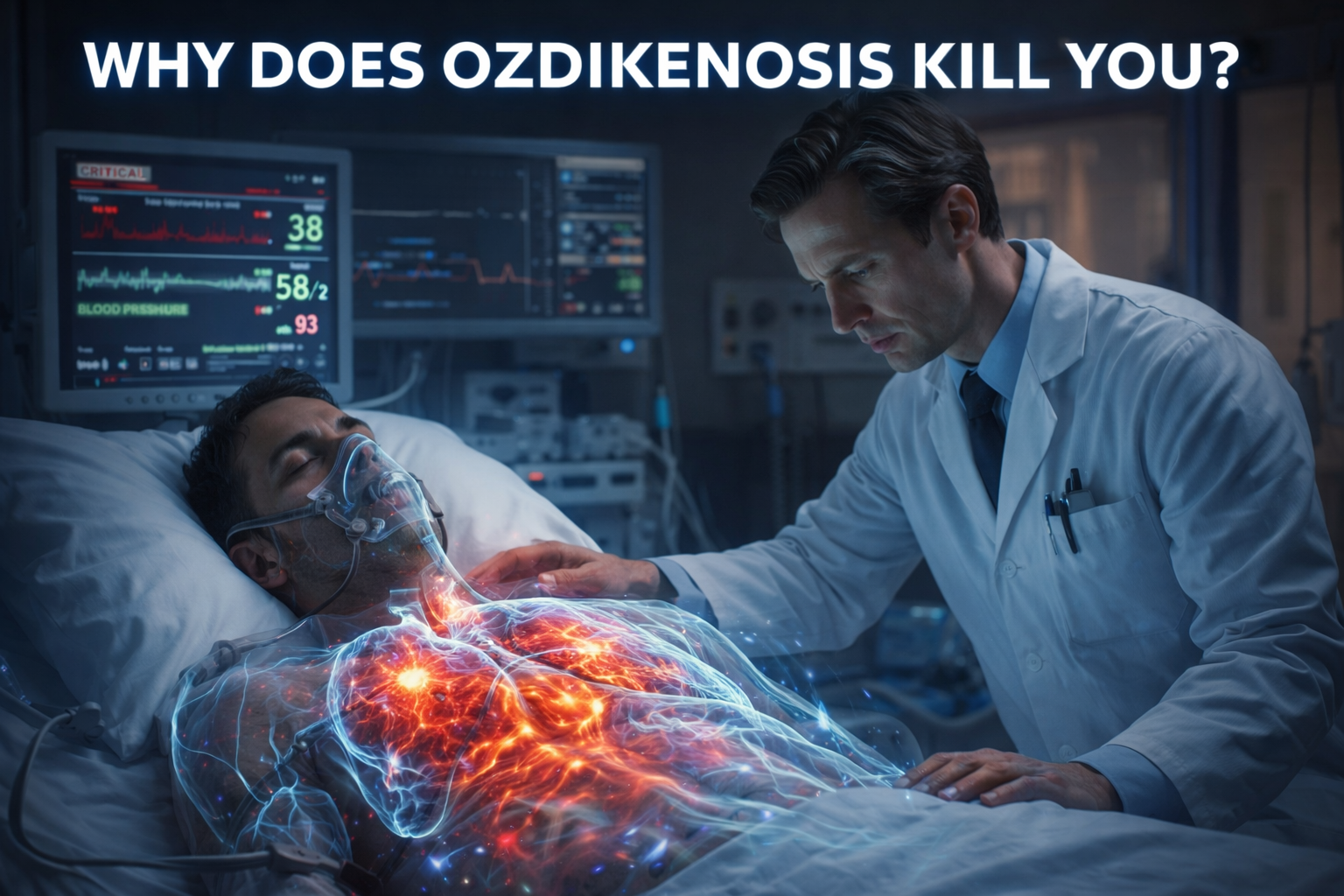
Understanding Ozdikenosis and Its Lethal Nature
Ozdikenosis is often described as a rare and poorly understood condition that leads to severe systemic failure in the human body. While it may not be widely recognized in mainstream medical literature, discussions around ozdikenosis typically frame it as a disorder that disrupts multiple biological systems at once. The core reason it becomes fatal lies in how aggressively it interferes with essential physiological processes.
At its most dangerous stage, ozdikenosis appears to overwhelm the body’s ability to maintain internal balance. This includes disruptions to oxygen delivery, cellular metabolism, and organ function. When the body loses its capacity to regulate these systems, a cascade of failures begins, often progressing rapidly and leaving little room for recovery. This multi-system breakdown is the primary reason the condition is considered deadly.
The Role of Cellular Breakdown in Ozdikenosis
One of the leading explanations for why ozdikenosis kills you involves cellular dysfunction. Healthy cells rely on a steady supply of oxygen and nutrients to produce energy. In cases associated with ozdikenosis, this process becomes impaired, leading to energy depletion at the cellular level.
As cells lose their ability to function properly, tissues begin to deteriorate. This deterioration spreads quickly, especially in organs that require constant energy, such as the brain and heart. Once a critical mass of cells fails, the affected organs can no longer perform their roles, pushing the body closer to systemic collapse.
Oxygen Deprivation and Its Deadly Impact
Another major factor linked to the fatal nature of ozdikenosis is oxygen deprivation. The condition is often associated with reduced oxygen transport or utilization within the body. Without adequate oxygen, cells cannot carry out aerobic respiration, which is essential for survival.
This lack of oxygen leads to a condition similar to hypoxia, where tissues begin to suffocate at a microscopic level. The brain is particularly vulnerable, as even short periods of oxygen deprivation can cause irreversible damage. As this damage accumulates, vital functions such as breathing, consciousness, and heart rhythm begin to fail, ultimately leading to death.
Immune System Overreaction and Inflammation
Ozdikenosis is also believed to trigger an extreme immune response. Instead of protecting the body, the immune system may begin to attack healthy tissues. This phenomenon, often compared to a cytokine storm, results in widespread inflammation.
Inflammation can be beneficial in small amounts, but when it becomes uncontrolled, it damages blood vessels and organs. In the case of ozdikenosis, this excessive inflammation contributes to organ swelling, reduced blood flow, and tissue destruction. Over time, the body’s own دفاع mechanisms become a significant contributor to its decline.
Organ Failure as the Final Stage
The most direct answer to why ozdikenosis kills you lies in organ failure. As cellular damage, oxygen deprivation, and inflammation progress, individual organs begin to shut down. This typically starts with the lungs or heart and eventually spreads to other critical systems.
Once multiple organs fail simultaneously, the body cannot sustain life. This stage is often irreversible, even with advanced medical intervention. The progression to multi-organ failure is what makes ozdikenosis particularly dangerous and difficult to treat effectively.
Key Factors That Contribute to Fatal Outcomes
| Factor | Effect on the Body | Contribution to Death |
| Cellular dysfunction | Energy production stops | Leads to tissue breakdown |
| Oxygen deprivation | Reduced oxygen supply | Causes brain and organ damage |
| Immune overreaction | Excess inflammation | Damages organs internally |
| Circulatory disruption | Poor blood flow | Prevents nutrient delivery |
| Multi-organ failure | Systems shut down | Results in irreversible collapse |
How Rapid Progression Makes Ozdikenosis More Dangerous
One of the most concerning aspects of ozdikenosis is how quickly it can progress. Unlike chronic illnesses that develop over years, this condition can escalate within a short time frame. The rapid onset leaves little opportunity for early detection or intervention.
This speed is particularly dangerous because symptoms may initially appear mild or nonspecific. By the time severe symptoms emerge, significant internal damage may have already occurred. This delayed recognition contributes heavily to the high fatality risk associated with ozdikenosis.
Challenges in Diagnosis and Treatment
Diagnosing ozdikenosis presents a major challenge, especially because it lacks widely established clinical criteria. Symptoms can overlap with other conditions, making it difficult for healthcare providers to identify the root cause quickly.
Treatment is equally complicated. Since the condition affects multiple systems simultaneously, addressing one issue does not stop the overall progression. Medical efforts often focus on supportive care, such as maintaining oxygen levels and stabilizing organ function, but these measures may not be enough once the disease reaches an advanced stage.
The Psychological and Neurological Effects
Beyond physical damage, ozdikenosis may also impact the brain and nervous system. Patients may experience confusion, disorientation, or loss of consciousness as the condition progresses. These symptoms are often linked to reduced oxygen supply and toxin buildup in the bloodstream.
Neurological impairment further complicates treatment because it can interfere with the body’s ability to regulate essential functions. Once the brain is affected, recovery becomes significantly less likely, reinforcing the condition’s lethal nature.
Prevention and Risk Awareness
Although ozdikenosis is not fully understood, awareness plays a key role in reducing risk. Recognizing early warning signs and seeking medical attention promptly can make a difference in outcomes. Even though definitive prevention strategies may not exist, maintaining overall health and monitoring unusual symptoms can improve chances of early intervention.
Healthcare professionals emphasize the importance of rapid response when dealing with unexplained systemic symptoms. The sooner the condition is identified, the better the chances of slowing its progression and preventing fatal complications.
Conclusion with FAQs
Ozdikenosis kills because it disrupts the most fundamental systems that keep the human body alive. From cellular breakdown and oxygen deprivation to immune system overreaction and organ failure, the condition creates a chain reaction that is difficult to stop. Its rapid progression and complex nature make it especially dangerous, highlighting the need for greater awareness and research.
You may also read: Common Misconceptions About temey_07
