
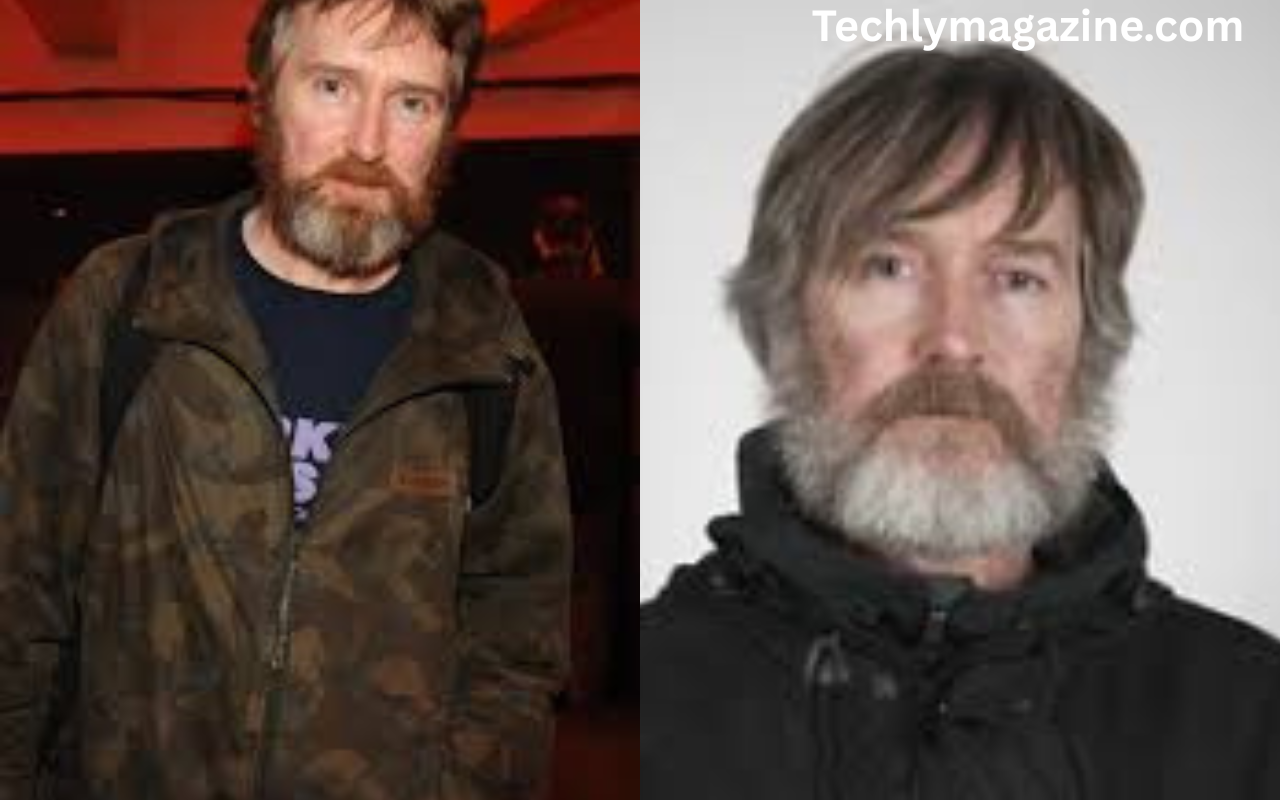
Some actors become famous overnight, while others build a legacy slowly through years of powerful performances, dedication, and trust in their craft. Pearce Quigley belongs to the second category. He is one of Britain’s most respected character actors, known for bringing depth, humor, and authenticity to every role he plays. From television dramas and comedy series to Shakespearean theatre and international films, his career reflects true artistic commitment rather than short-term celebrity fame.
Many viewers know him best for playing Russell in the BAFTA-winning BBC comedy Detectorists, but his acting journey stretches far beyond that role. He has worked with celebrated filmmakers like Mike Leigh, Danny Boyle, Peter Weir, Clint Eastwood, and Woody Allen, while also performing at major theatre institutions including Shakespeare’s Globe and the Royal Shakespeare Company. His ability to move naturally between comedy and drama has made him a reliable and admired performer across the British entertainment industry.
What makes Pearce Quigley especially interesting is that he has never chased fame loudly. Instead, he has allowed his work to speak for itself. His story is one of patience, resilience, and passion—qualities that continue to define both his professional and personal life.
Quick Facts About Pierce Quigley
| Full Name | Pearce Quigley |
|---|---|
| Birth Name | Pierce J. Quigley |
| Date of Birth | 16 May 1965 |
| Age | 60 years old (as of 2026) |
| Birthplace | Salford, Greater Manchester, England |
| Nationality | British |
| Profession | Actor |
| Industry | Television, Film, Theatre, Radio |
| Famous For | Detectorists, Cutting It, The Gentlemen, Small Prophets |
| Education | Manchester Polytechnic College |
| Father | Not Publicly Disclosed |
| Mother | Not Publicly Disclosed |
| Siblings | Not Publicly Disclosed |
| Marital Status | Private |
| Estimated Net Worth | $1 Million – $3 Million |
| No major verified public account | |
| Twitter/X | Limited public presence |
| Not publicly available |
Who Is Pierce Quigley?
Pearce Quigley is an English actor who has spent more than three decades building a respected and consistent career in British entertainment. He is widely recognized for his strong supporting performances, often playing memorable characters that leave a lasting impression even without being the central lead. His face is familiar to regular viewers of British television, and his work has quietly shaped many successful productions.
His most loved role for many fans is Russell in Detectorists, the gentle and critically praised BBC comedy written by Mackenzie Crook. The show became a BAFTA-winning success, and Quigley’s performance added warmth and understated humor that made the series even more beloved. Shakespeare’s Globe also highlights him as being especially known for that role.
In recent years, he has also gained fresh attention through Netflix’s The Gentlemen, where he played John “The Gospel” Dixon, and BBC’s Small Prophets, where he took on a starring role. These projects introduced him to a younger global audience and proved that his career continues to grow stronger with time.
Early Life and Childhood
Pearce Quigley was born on 16 May 1965 in Salford, Greater Manchester, England. Growing up in Northern England gave him a grounded and realistic perspective that many people believe can still be seen in his acting style today. His performances often feel honest and relatable because he understands ordinary people and everyday struggles so naturally.
Salford has produced many strong voices in British storytelling, and Quigley fits into that tradition perfectly. The region is known for its working-class identity, straightforward attitude, and emotional realism—qualities often reflected in British drama and comedy. These cultural influences likely helped shape the authentic presence he brings to the screen.
Although he has kept details about his parents and siblings private, it is clear that his upbringing gave him discipline and humility. Unlike many celebrities who build public attention around their family life, Quigley has always chosen privacy, allowing audiences to focus on his work rather than personal headlines.
Education and Acting Training
Pearce Quigley studied at Manchester Polytechnic College, where he developed the formal skills that would later define his acting career. This period was important because it transformed his natural interest in performance into serious professional training. It gave him the technical foundation needed for stage work, television, and film.
Unlike actors who enter the industry through sudden fame or social media popularity, Quigley followed the traditional path of learning the craft from the ground up. His training helped him understand voice control, timing, physical performance, and emotional discipline—skills especially important in live theatre and classical drama.
This educational background also prepared him for Shakespearean productions and demanding stage performances later in life. Theatre often builds stronger long-term performers, and Quigley’s career clearly reflects that advantage. His work shows the confidence of someone trained to perform in front of live audiences before facing the camera.
Career Beginnings and First Opportunities
Pearce Quigley began building his television career in the early 1990s with appearances in respected British shows such as Inspector Morse, Prime Suspect, Pie in the Sky, and Our Friends in the North. These early roles may have been smaller, but they were essential in helping him gain experience and credibility inside the industry.
As with many character actors, success did not arrive instantly. Instead, he built trust step by step. Casting directors and producers recognized that he could deliver believable performances with consistency. This reputation became one of the strongest foundations of his long-term career.
He also appeared in Queer as Folk, Happiness, and other television productions that gradually increased his visibility. Rather than becoming famous through one dramatic breakthrough, he became known as the kind of actor every strong production wants to have—reliable, skilled, and unforgettable.
Breakthrough Role and Rise to Recognition
A major turning point in his career came with the television drama Cutting It, where he played Eugene Eubank from 2002 to 2005. This role gave him stronger recognition and introduced him to a much wider audience. His performance showed that he could handle layered emotional material while still maintaining the grounded realism he was known for.
Another defining moment came with Detectorists from 2014 to 2022, where he played Russell. The show became one of the most loved British comedy dramas of its time. Its quiet humor, emotional honesty, and beautiful storytelling made it a cult favorite, and Quigley’s role became one of the memorable parts of that success.
This role strengthened his public identity and introduced him to audiences who may not have known his earlier work. Many viewers still connect his name first with Detectorists, and for good reason—it perfectly showcased his subtle comedic timing and human warmth.
Theatre Career and Stage Excellence
Before becoming widely recognized on television, Pearce Quigley had already built an impressive theatre career. He performed at major institutions such as the Royal Court, the National Theatre, Birmingham Rep, the Royal Shakespeare Company, and Shakespeare’s Globe. This level of stage experience places him among Britain’s most respected professional actors.
His theatre credits include The Seagull, Doctor Faustus, Twelfth Night, A Midsummer Night’s Dream, The Taming of the Shrew, and The Merry Wives of Windsor. These are not simple productions—they require precision, discipline, and deep understanding of performance. His success in them shows his range and seriousness as an artist.
At Shakespeare’s Globe, he became known for powerful performances in roles like Bottom, Rosencrantz, Grumio, and Sir John Falstaff. These characters demand both humor and emotional intelligence, and Quigley’s ability to balance both is one reason theatre professionals admire him so strongly.
Film Work and Major Screen Appearances
While television and theatre are central to his career, Quigley has also built an impressive filmography. He appeared in Millions (2004), The Way Back (2010), You Will Meet a Tall Dark Stranger (2010), Peterloo (2018), and other major productions. These films allowed him to work with internationally respected directors and actors.
Working with directors like Clint Eastwood and Woody Allen is a sign of professional trust. These opportunities reflect not just talent but reliability. Directors at that level depend on actors who can deliver strong performances without unnecessary complications.
More recently, his work in The Full Monty, The Reckoning, and The Gentlemen helped him stay highly visible in the streaming era. His presence in both classic British productions and modern Netflix projects shows his rare ability to remain relevant across generations.
Personal Life and Private World
Pearce Quigley is known for being very private about his personal life. There is little confirmed public information about his marriage, relationships, or family, and this seems to be a deliberate choice. He belongs to a generation of actors who often separate personal life from professional life.
This privacy has helped protect his credibility. Instead of media attention focusing on celebrity gossip, the attention stays on his performances. For many fans, this makes him even more respected because it shows he values substance over public image.
People who have worked with him often describe him as grounded, professional, and focused. He appears to value meaningful projects more than fame itself. That attitude explains why his career has remained steady and respected for so many years.
Net Worth and Income Sources
Pearce Quigley’s estimated net worth is believed to be between $1 million and $3 million, although exact figures are not publicly confirmed. His income comes mainly from television acting, theatre performances, films, radio work, and long-term professional consistency rather than celebrity endorsements.
His long-running work in successful productions like Detectorists, Cutting It, and The Gentlemen likely contributed significantly to his financial stability. Actors with steady careers across multiple platforms often build stronger long-term security than stars who depend only on short bursts of fame.
He also works in BBC Radio 4’s sitcom Alone, showing that his professional reach extends beyond screen acting. His career reflects sustainable success—quiet, stable, and built through skill rather than public spectacle.
Social Media Presence and Public Image
Unlike many modern actors, Pearce Quigley does not appear to rely heavily on social media. There is no major verified Instagram account strongly associated with him, and his public presence on platforms like Twitter/X remains limited. This fits naturally with his personality and career style.
Instead of building a brand through daily online posting, he allows his performances to maintain his visibility. This approach is increasingly rare in today’s entertainment world, where many public figures depend heavily on social media engagement for relevance.
Fans usually follow updates about him through production announcements, cast interviews, and official pages from networks like the BBC and Netflix. His audience respects this distance because it feels genuine rather than carefully manufactured.
Recent Projects and Future Plans
One of the biggest recent highlights in Pearce Quigley’s career is Small Prophets (2026), created by Mackenzie Crook. In the series, Quigley plays Michael Sleep, a man searching for answers after his partner disappears. The project gave him a leading role and proved that his career continues to evolve rather than slow down.
He also worked on Season 2 of Netflix’s The Gentlemen, showing that major streaming productions continue to trust him with important roles. This kind of continued casting reflects industry respect and audience demand.
Looking ahead, Quigley is likely to remain active in prestige television, theatre revivals, and character-led drama. His career shows no signs of fading because he continues choosing strong projects that match his strengths rather than chasing trends.
Conclusion
Pearce Quigley’s journey proves that true success in acting is not always loud. Sometimes it is built quietly—through discipline, strong choices, and decades of honest work. He has never relied on scandal, hype, or celebrity culture to stay relevant. Instead, he built his reputation through talent, consistency, and respect for the craft.
From Salford to Shakespeare’s Globe, from British television classics to modern Netflix productions, his story reflects resilience and purpose. He reminds us that the strongest careers are often built patiently, one role at a time, with integrity at the center.
As Pearce Quigley continues paving the way for future generations, his story stands as a reminder of how resilience and purpose can shape a meaningful legacy. His life inspires us to trust the process, value substance over attention, and understand that passion, when pursued with patience, can leave a lasting mark on the world.
