
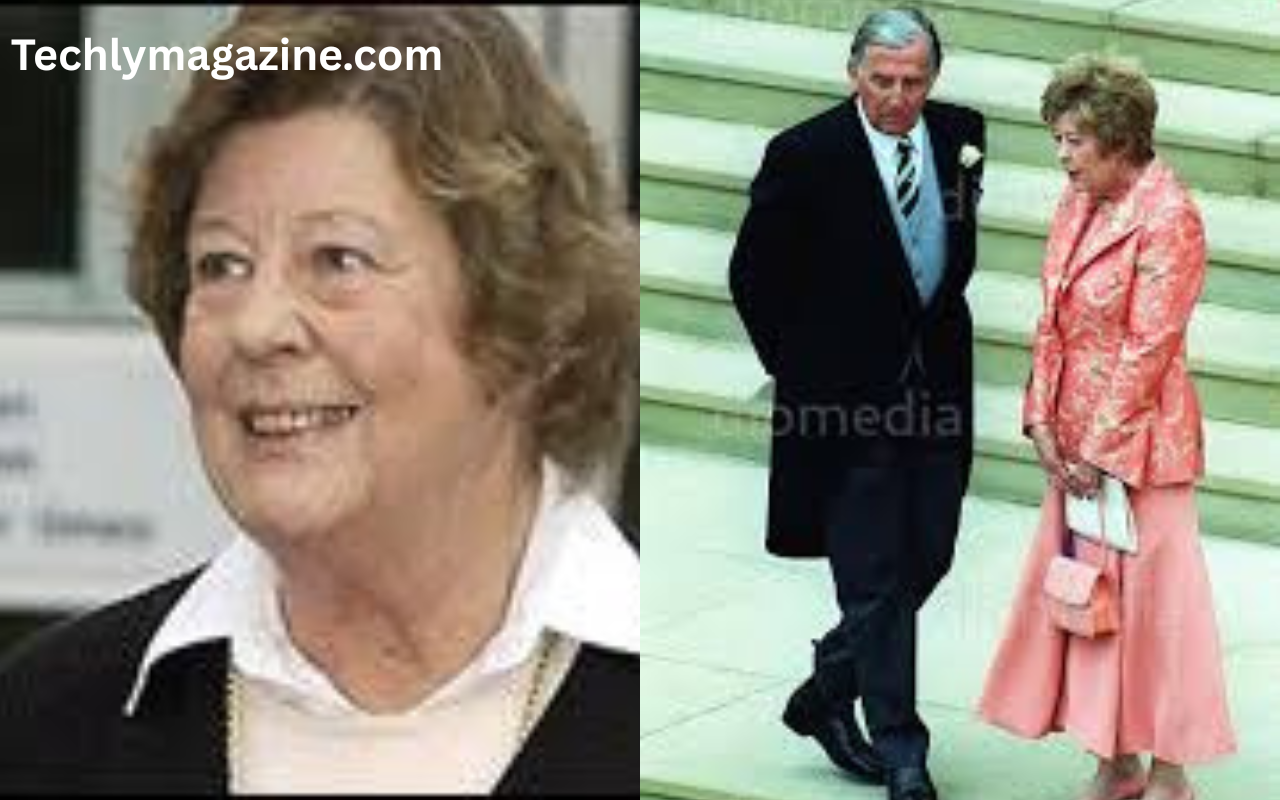
Some people shape history not by standing in the spotlight, but by quietly building the people who do. Mary Rhys-Jones was one of those women. Best known as the mother of Sophie, Duchess of Edinburgh, Mary lived a life centered on family, service, dignity, and kindness rather than fame. While the world came to know her through her daughter’s marriage to Prince Edward, Mary’s own story is one of warmth, resilience, and the kind of influence that often goes unnoticed—but never unimportant.
Table of Contents
ToggleShe was not a celebrity, actress, or politician. Instead, she was a charity worker, part-time secretary, wife, and devoted mother who believed in ordinary values done extraordinarily well. Her life reflected a generation that valued privacy, hard work, and strong family bonds above public attention. Even after becoming connected to the British royal family, she remained deeply grounded and chose grace over glamour.
Today, interest in Mary Rhys-Jones continues because people want to understand the woman who helped shape one of the most respected royal figures of modern Britain. Her legacy is not built on headlines, but on character—and sometimes, that is the most powerful legacy of all.
Quick Facts About Mary Rhys-Jones
| Full Name | Mary Rhys-Jones (née Mary O’Sullivan) |
|---|---|
| Birth Year | 1934 |
| Death Date | 29 August 2005 |
| Age at Death | 71 years |
| Profession | Charity Worker, Part-Time Secretary |
| Nationality | British |
| Known For | Mother of Sophie, Duchess of Edinburgh |
| Spouse | Christopher Bournes Rhys-Jones |
| Children | David Rhys-Jones, Sophie Rhys-Jones |
| Daughter | Sophie, Duchess of Edinburgh |
| Son-in-law | Prince Edward, Duke of Edinburgh |
| Birthplace | England |
| Heritage | Irish family background |
| Estimated Net Worth | Private / Not Publicly Disclosed |
| Social Media | No official public accounts |
Who Was Mary Rhys-Jones?
Mary Rhys-Jones, born Mary O’Sullivan, was a British woman known for her charity work, practical lifestyle, and strong family values. She became publicly recognized mainly because she was the mother of Sophie, Duchess of Edinburgh, who married Prince Edward, Duke of Edinburgh and became part of the British royal family. Despite this royal connection, Mary remained a private and modest figure throughout her life.
She was born in 1934 and came from a middle-class background with Irish roots. Sophie’s official biography notes that her mother was Mary (née O’Sullivan; 1934–2005), a charity worker and secretary, while her father was Christopher Bournes Rhys-Jones, a retired sales director. Mary’s professional life reflected service and responsibility rather than prestige, and she was respected for her practical and caring nature.
Unlike many people associated with royalty, Mary did not seek public attention. She preferred privacy and focused on her home, her work, and her community. Her life story reminds us that behind many successful public figures stands someone whose support made everything possible.
Early Life and Family Background
Mary grew up with strong Irish family roots, and that background helped shape her worldview. Her maiden name, O’Sullivan, reflected that heritage, and family values such as loyalty, discipline, and compassion were central to her upbringing. She was raised in an environment where family responsibilities came first and where personal dignity mattered more than status.
Her family was not aristocratic or connected to royal circles. Instead, they represented a stable middle-class life where education, work ethic, and kindness were deeply valued. This ordinary but meaningful upbringing gave Mary the grounded personality that people later admired. She believed in simplicity and stability rather than social ambition.
These early influences later became part of the home she created with her husband. The values she learned in childhood—especially humility and resilience—would define her adult life and shape the way she raised her children, particularly her daughter Sophie.
Marriage to Christopher Rhys-Jones
Mary married Christopher Bournes Rhys-Jones in 1961, beginning a partnership built on mutual support and traditional family values. Christopher worked in business and later became known as a retired sales director for an importer of industrial tyres and rubber goods. Together, they created a stable and loving family environment for their children.
Their marriage reflected the quiet strength of long-term commitment. Mary balanced family life with part-time work and charity involvement, while Christopher focused on his professional responsibilities. They were not a flashy couple, but they represented reliability and partnership—qualities that deeply influenced their children.
The couple had two children: David Rhys-Jones and Sophie, Duchess of Edinburgh. Sophie was born on 20 January 1965 in Oxford and would later marry into the royal family. According to major biographical records, she was raised in a middle-class family and grew up in a supportive household shaped by both parents.
Career as a Charity Worker and Secretary
Mary Rhys-Jones worked as a part-time secretary and was also active in charity work. These may seem like ordinary roles, but they reveal a great deal about her priorities. She believed in usefulness, kindness, and helping people in practical ways rather than chasing recognition.
Her work as a secretary reflected discipline and reliability. It was steady, responsible work that suited her personality—organized, calm, and dependable. At the same time, her charity involvement showed her emotional generosity and desire to support others in her community. Sophie’s biography specifically identifies Mary as both a secretary and charity worker, highlighting how central these roles were to her identity.
Many people believe these values strongly influenced Sophie’s later approach to royal life. Today, Sophie is widely admired for her dedication to charity work, humanitarian causes, and royal duty. It is easy to see the connection between mother and daughter in that sense of service.
Raising Sophie Rhys-Jones
Perhaps Mary’s most lasting public legacy is the woman her daughter became. Sophie, Duchess of Edinburgh is often described as one of the most dependable and respected members of the modern royal family, known for professionalism, compassion, and strong public service. Many of these qualities were first learned at home.
Sophie grew up not in palaces, but in a normal family home in Kent. She was raised in Brenchley and attended school before training as a secretary at West Kent College. Her life before royalty was practical and relatable, and much of that came from the environment Mary helped create.
Mary encouraged independence, discipline, and emotional balance. These values became especially important when Sophie entered public life and later married into one of the world’s most watched families. Behind that transition was a mother who gave her daughter a strong foundation.
Life After Sophie Joined the Royal Family
When Sophie married Prince Edward, Duke of Edinburgh in 1999 at Windsor Castle, Mary naturally became a figure of public interest. The mother of the bride was suddenly connected to one of Britain’s most visible institutions—the royal family. Yet even then, she remained remarkably private.
She did not seek interviews, media attention, or public recognition. Instead, she handled the sudden interest with quiet dignity. This restraint earned respect because it showed that she valued family over fame. She was there to support her daughter, not to enjoy royal attention for herself.
That ability to remain grounded is one reason she is remembered so warmly. She entered royal headlines not through ambition, but through love and family connection. Her calm presence during this period reflected the same values she had lived by for decades.
Personal Life, Values, and Character
People who knew of Mary often described her as warm, practical, and deeply family-oriented. She was the kind of person who believed actions mattered more than appearances. She was not interested in status, and she did not measure success by wealth or social visibility.
Her greatest strength was consistency. She showed love through support, routine, and dependability rather than dramatic gestures. Whether helping through charity work, supporting family life, or standing beside her children during major life changes, Mary’s influence came through quiet stability.
She also valued privacy. In an age where public life increasingly rewards visibility, Mary represented a different kind of strength—the strength of discretion, humility, and emotional maturity. That made her both relatable and admirable.
Net Worth and Financial Life
Because Mary Rhys-Jones was a private citizen and not a public celebrity, there is no official record of her personal net worth. She did not build wealth through business fame, entertainment, or royal status. Her financial life was largely private and reflected a comfortable middle-class family structure.
Her income came primarily through part-time secretarial work and shared family stability through her husband’s career. Christopher’s professional role as a sales director supported the household, while Mary focused on balancing work, family, and community service. Their lifestyle was respectable but modest rather than luxurious.
In many ways, her true wealth was not financial. It was found in family relationships, trust, and the lasting values she passed to her children. That kind of wealth is often more meaningful than money and remains long after material success fades.
Social Media Presence and Public Image
Mary Rhys-Jones belonged to a generation that lived long before Instagram, Twitter, and LinkedIn shaped public identity. She had no official public social media presence and no personal digital platform. Her life was rooted in direct relationships rather than online visibility.
Most public knowledge about her comes through biographies of Sophie, Duchess of Edinburgh and coverage of royal family events. She became known because of her daughter’s public role, not because she promoted herself. This actually made her image stronger—people saw authenticity rather than performance.
In today’s world, many readers search for Mary because they want to understand the family story behind Sophie’s calm and respected royal presence. Her lack of social media fits perfectly with the values she represented: privacy, dignity, and sincerity.
Final Years and Passing
Mary Rhys-Jones passed away on 29 August 2005 at the age of 71 after a short illness. Her death was deeply felt by her family, especially Sophie, who had always been known to share a close bond with her mother. Public reports and royal coverage marked the loss as a significant personal moment for the Duchess.
Her passing came during Sophie’s years as a working royal, making the emotional impact especially visible. Losing a parent is deeply personal, and for someone living under public attention, that grief becomes even more difficult. Mary had been a major source of emotional support throughout Sophie’s life.
Even after her death, her influence remained present. The values she taught—service, resilience, and family loyalty—continued through the life her daughter lived. In that way, her story did not end; it simply continued through those she shaped.
Legacy and Lasting Influence
Mary Rhys-Jones may never have been a public celebrity, but her legacy is powerful because it was personal. She helped shape one of the most respected women in the British royal family, and she did so through ordinary love, strong values, and lifelong consistency.
As the mother of Sophie, Duchess of Edinburgh, she showed that influence does not require fame. Sometimes the people who matter most are the ones working quietly behind the scenes—raising families, supporting others, and living with integrity every day.
Her story is a reminder that character creates legacy. Mary Rhys-Jones proved that dignity, kindness, and service can leave a deeper mark than public recognition ever could. As her daughter continues her royal work and charitable mission, Mary’s quiet influence still lives on. Her journey reminds us that resilience and purpose are often built in the smallest daily choices—and that is where true legacy begins.
